PROTECT WHAT YOU HAVE
Roof preservation
Rejuvenation brings an aging roof back. Preservation keeps a good roof from aging early in the first place. Same treatment, smarter timing.
The case for starting early
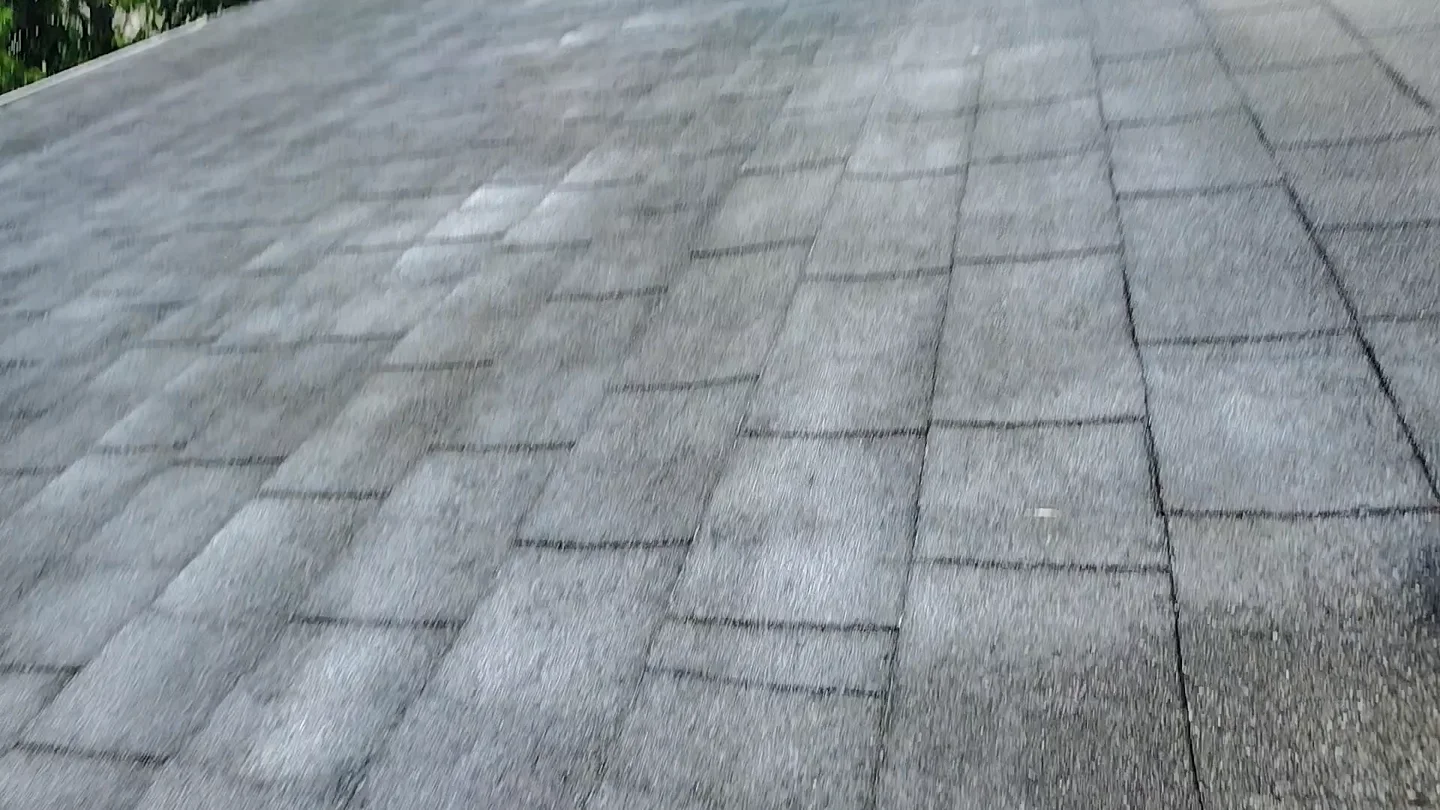
Hampton Roads weather doesn't wait for year twelve. UV, salt air, and humidity start working on shingles from day one. Preservation treats the roof while it's still flexible, so it holds granules better, resists fading, and stays ahead of the aging curve instead of chasing it.
- First treatment around year three, per SoyLei's guidance.
- Reapplication about every five years while the roof qualifies.
- Curb appeal holds: treated shingles resist fading and discoloration.
- Paired with the annual checkup, nothing on your roof goes unseen.
Preservation vs rejuvenation
It's the same APEX-1132 treatment either way. The difference is what it's doing: preservation maintains flexibility that's still there, while rejuvenation works to restore flexibility that's been lost. Earlier is easier. It's the same reason you change oil instead of waiting for the engine light.
Ryan's favorite line applies here word for word: protect what you have. Preserve what matters.
QUESTIONS
Common questions
When should preservation start?
SoyLei recommends a first treatment around three years after installation, then about every five years. Starting early preserves granules and flexibility before visible aging sets in.
My roof looks fine. Why treat it?
The oils that keep shingles flexible start leaving the day the roof goes on. By the time aging is visible from the curb, a lot of it has already happened. Preservation keeps a good roof good, which is cheaper than bringing an aged roof back.
Find out if roof rejuvenation is right for you
Free roof assessment. No pressure. An honest answer either way.